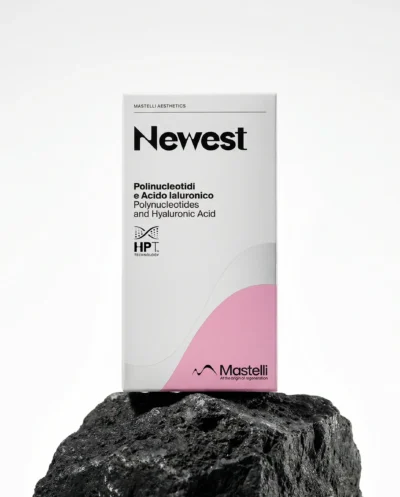
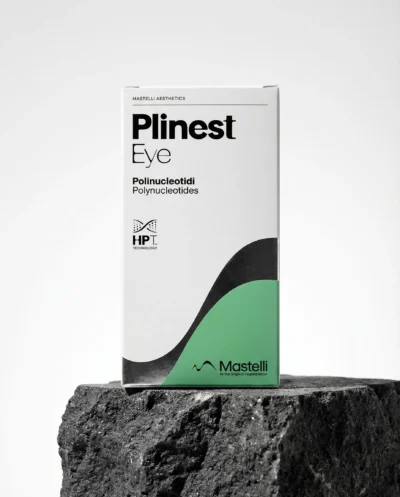
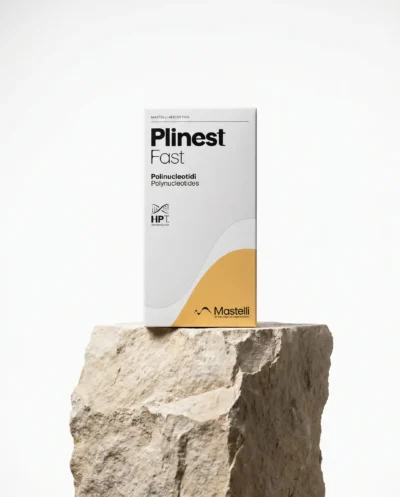
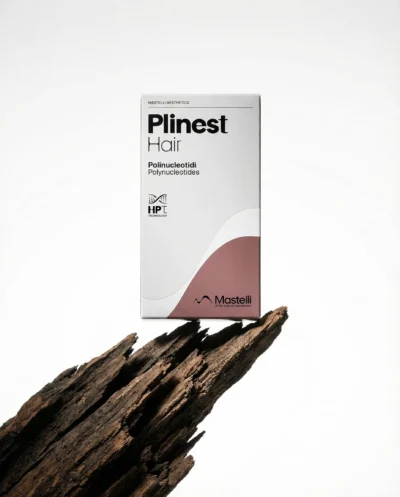
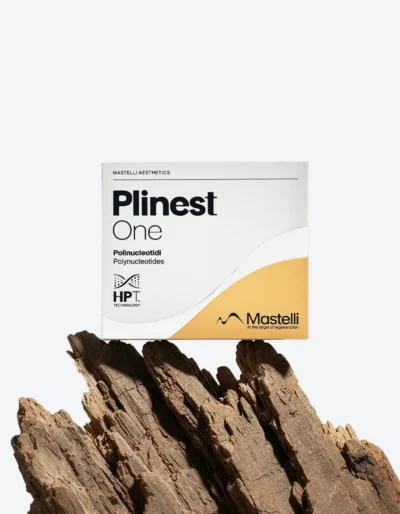
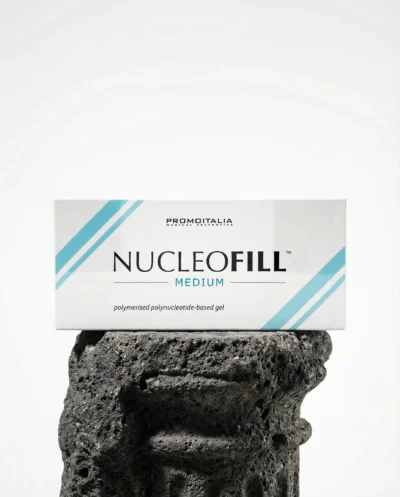
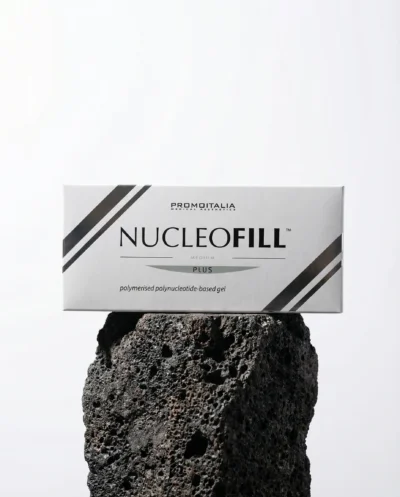
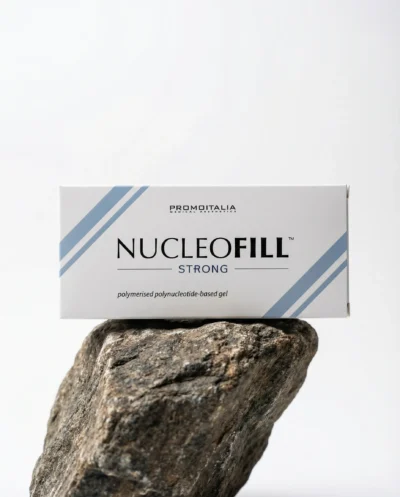
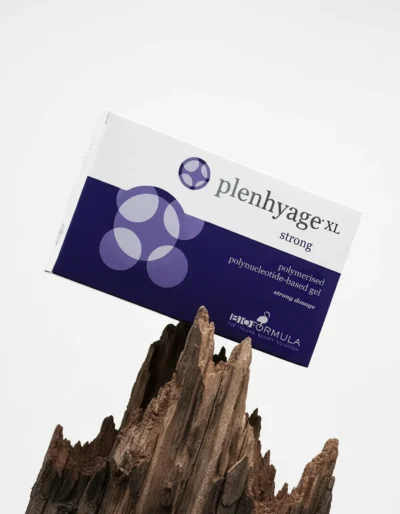
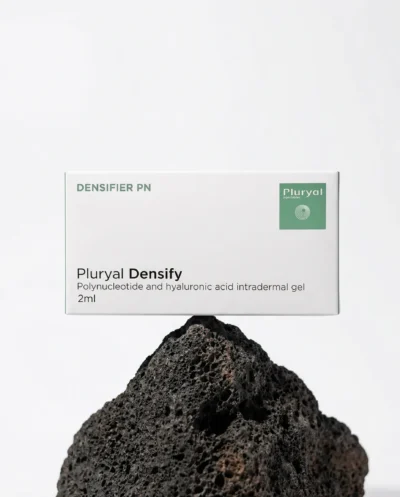
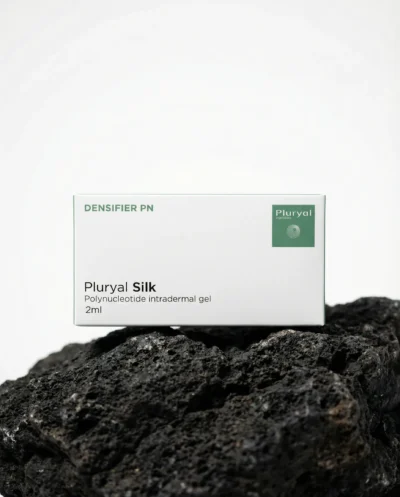
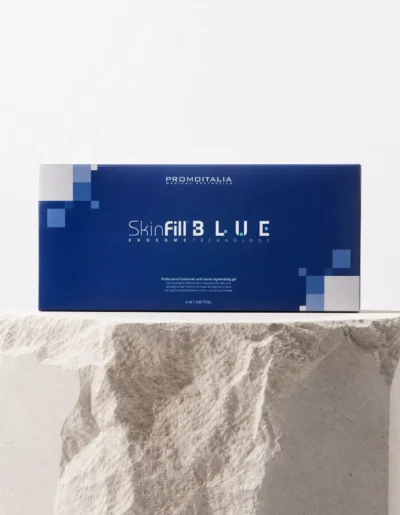
Polynucleotides have rapidly established themselves as one of the most significant innovations in regenerative aesthetic medicine. Backed by decades of scientific research and a growing body of clinical evidence, polynucleotide-based products offer a highly biocompatible approach to skin repair, rejuvenation, and tissue regeneration. At Filladerm, we supply a professional range of polynucleotide products for aesthetic practitioners seeking effective, science-driven solutions to add to their treatment portfolios.
Polynucleotides — often abbreviated as PDRN (polydeoxyribonucleotide) or PN — are long chains of nucleotide molecules derived from highly purified salmon or trout DNA. Despite their animal origin, polynucleotides are remarkably well tolerated by human tissue due to the high degree of compatibility between fish and human DNA sequences. The purification process eliminates any risk of allergic reaction or disease transmission, making these products safe for clinical use across a wide range of patient profiles.
In aesthetic medicine, polynucleotides are formulated as injectable gels that are administered into the skin or subcutaneous tissue. Once in place, they act as biological stimulants that interact with cellular receptors to activate the body's natural repair and regeneration pathways — making them fundamentally different from fillers or skin boosters, which work primarily through physical hydration or volume replacement.
How Polynucleotides Work in the Skin
The primary mechanism of polynucleotides centres on their ability to activate A2A adenosine receptors on skin cells, triggering a cascade of regenerative processes. This activation stimulates fibroblast proliferation — increasing the population of cells responsible for producing collagen, elastin, and hyaluronic acid within the dermis. The result is a genuine improvement in the skin's structural integrity, not merely a temporary surface effect.
Polynucleotides also exert a significant anti-inflammatory effect, helping to calm reactive or compromised skin while simultaneously supporting tissue repair. Their ability to promote angiogenesis — the formation of new blood vessels — further enhances the delivery of oxygen and nutrients to the treated area, accelerating the overall healing and rejuvenation response. This combination of effects makes polynucleotides particularly valuable in post-procedure recovery protocols as well as standalone regenerative treatments.
Clinical Applications and Treatment Areas
Polynucleotide products are used across a broad range of clinical applications in aesthetic medicine. On the face, they are highly effective for improving skin quality and hydration, reducing fine lines, strengthening a weakened skin barrier, and addressing skin laxity in areas such as the under-eyes, cheeks, and neck. The under-eye area in particular has seen strong clinical results with polynucleotide treatments, as the product's regenerative properties help to improve thin, crepey skin and reduce the appearance of dark circles caused by poor vascularisation.
Beyond facial rejuvenation, polynucleotides are increasingly used for scalp treatments targeting hair thinning and loss, as their ability to stimulate cell proliferation and improve local circulation supports healthier hair follicle function. Body applications including the neck, décolletage, and hands are also well-established treatment areas. Polynucleotides are frequently combined with other injectables such as hyaluronic acid skin boosters, mesotherapy cocktails, or exosomes to create comprehensive regenerative treatment protocols.
What to Expect from Polynucleotide Products
Polynucleotide treatments are typically delivered as a course of two to four sessions spaced two to four weeks apart, depending on the specific product protocol and the patient's skin condition. Results develop progressively as the regenerative processes are activated, with most patients noticing meaningful improvements in skin texture, hydration, and firmness within four to six weeks of beginning treatment. A maintenance session every three to six months is generally recommended to sustain results.
The products themselves vary in concentration, viscosity, and intended depth of injection, allowing practitioners to select the most appropriate formulation for each treatment area and patient need. At Filladerm, our range includes both PDRN and higher-molecular-weight PN formulations, giving clinics access to products suited to a spectrum of regenerative indications from superficial skin quality improvement to deeper tissue repair.
Why Source Polynucleotides from Filladerm?
At Filladerm, we supply polynucleotide products from established manufacturers with strong clinical research backing and a proven track record in regenerative aesthetics. Every product in our range is held to rigorous quality and safety standards, and we ensure full traceability from manufacturer to clinic. We understand that practitioners need confidence in the products they inject, which is why we work only with suppliers whose manufacturing processes and quality controls meet the highest industry benchmarks.
Whether you are introducing polynucleotides into your practice for the first time or looking to expand your existing regenerative offering, the Filladerm team is here to help. Browse our full polynucleotide product range online or contact us directly for expert recommendations tailored to your clinical protocols and patient demographics.