Polynucleotides have moved from a niche regenerative treatment to one of the most talked about injectables in aesthetics, and the search interest reflects it. Patients want to know what they are, what they do for the under eyes, how long they last and whether they actually work. Practitioners want clarity on where polynucleotides fit alongside fillers and skin boosters, and how to run a sensible treatment course. This guide answers both, starting with the basics and ending with a practitioner level overview.
What are polynucleotides?
Polynucleotides are chains of nucleotides, the building blocks of DNA, used in aesthetic medicine as a regenerative skin treatment. The polynucleotides used in injectable products are highly purified and most commonly derived from the DNA of fish such as salmon or trout, which is biologically compatible with human tissue. You will also see the closely related term PDRN, polydeoxyribonucleotide, which refers to fragments within the same family.
Crucially, polynucleotides are not dermal fillers. A filler adds volume by occupying space under the skin. Polynucleotides work differently: rather than filling, they act as a biostimulator, supporting the skin from within over a course of treatment. That distinction shapes everything about how they are used and what patients should expect.
How polynucleotide treatment works
Once injected into the skin, polynucleotides are thought to support the activity of fibroblasts, the cells responsible for producing collagen and elastin, while improving hydration and the overall quality of the skin environment. The effect is gradual and cumulative. Rather than an instant change on the day, patients build improvement across a course of sessions as the skin responds.
Because the mechanism is regenerative rather than space filling, polynucleotide treatment is best understood as skin conditioning. It is used to improve skin quality, firmness, hydration and texture, and it is increasingly combined with other treatments as part of a wider plan. Practitioners often place it within a skin boosting and bioremodelling toolkit, and it pairs naturally with the products grouped on our polynucleotides page.
Polynucleotides under the eyes

The under eye area is where polynucleotides have generated the most patient interest, and for good reason. The delicate skin of the lower eyelid is often too thin and mobile for traditional volumising approaches in many patients, yet it shows ageing early through crepiness, fine lines and a tired appearance. Polynucleotides offer a way to improve the quality and resilience of that skin rather than adding volume to it, which suits the area well.
That said, the periorbital region is demanding and unforgiving, and treatment here should be reserved for trained, experienced injectors using appropriate products and technique. For the wider set of options in this zone, our eye area treatment products page brings together the polynucleotides, boosters and tear trough fillers used around the eyes. A dedicated periorbital polynucleotide such as Plinest Eye is formulated specifically for this region.
Results, before and after, and how long they last
Polynucleotide results develop gradually. Patients should not expect a dramatic same day change in the way they might with a filler. Instead, improvement in skin quality, hydration and firmness builds over the treatment course and in the weeks following it, which is why genuine before and after comparisons are best taken across a course rather than after a single session.
A typical course involves a small number of sessions spaced a few weeks apart, followed by maintenance. How long the benefit lasts varies with the individual, the area, the product and whether maintenance is kept up, but improvements are generally measured in months rather than weeks. Setting this expectation early, that polynucleotides are a course based investment in skin quality rather than a one off fix, is the single biggest factor in patient satisfaction.
Do polynucleotides work? Used appropriately and over a proper course, patients commonly report improvements in skin quality, hydration and fine lines. As with any aesthetic treatment, results vary between individuals and depend heavily on correct technique, suitable patient selection and realistic expectations.
Practitioner protocol overview
For practitioners, polynucleotides reward a structured approach. The points below are a general orientation only. Always follow the specific product instructions for use and undertake proper hands on training before treating.
- Patient selection. Polynucleotides suit patients seeking improvement in skin quality, hydration and fine lines rather than volume. Manage expectations about gradual, course based results from the first consultation.
- Course structure. Treatment is delivered as a course of sessions spaced according to the product guidance, typically a few weeks apart, with maintenance thereafter. A single session is rarely the whole plan.
- Technique and depth. Placement depth and injection technique depend on the product and the area being treated and are defined by the manufacturer protocol and your training. The under eye and other delicate zones demand advanced skill.
- Combination treatments. Polynucleotides are often staged alongside other treatments within a wider plan. Sequencing and intervals should follow product guidance.
- Aftercare. Provide clear aftercare and follow up, and review skin quality across the course rather than judging a single session.
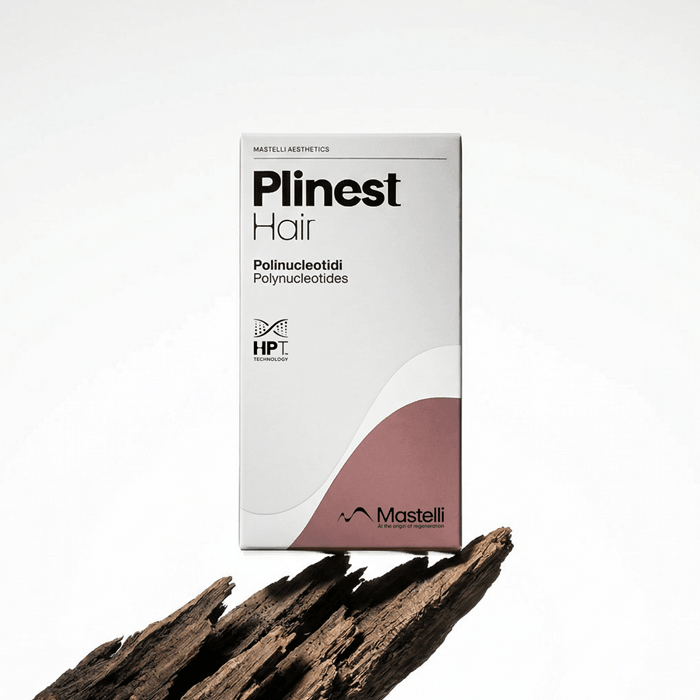
On product, the Plinest family from Mastelli is among the most established polynucleotide lines in the UK. The core Plinest product is used for general skin quality, with dedicated variants for the eye area and for the scalp. For scalp and hair work specifically, see our hair treatment area products, and the full line sits under the Mastelli brand page.
Sourcing genuine polynucleotides
Because polynucleotides are a premium, in demand treatment, they are exactly the kind of product targeted by the gray market. Genuine product, correct cold chain storage and a legitimate supplier are not optional extras here, they are the foundation of a safe result. Before ordering from any source, it is worth reading our guidance on sourcing genuine injectables and avoiding the gray market.
Frequently asked questions
What are polynucleotides used for?
Improving skin quality, hydration, firmness and fine lines, with particular interest in the under eye area. They are a regenerative skin treatment, not a volumising filler.
How long do polynucleotides last?
Benefits are generally measured in months and depend on the individual, the area, the product and maintenance. Results build over a course rather than appearing after one session.
Are polynucleotides the same as filler?
No. Fillers add volume; polynucleotides work as a biostimulator to improve the skin itself.
How many sessions are needed?
Typically a short course spaced a few weeks apart, followed by maintenance, according to the product protocol.
Do polynucleotides help under eye dark circles?
They can improve the quality and resilience of the under eye skin, which may help a tired appearance, though they do not add volume and are not a fix for every cause of dark circles.
Filladerm is an independent reseller of professional aesthetic products. This article is general information for qualified practitioners and prospective patients. It does not replace product specific training, clinical judgement or the manufacturer instructions for use.